
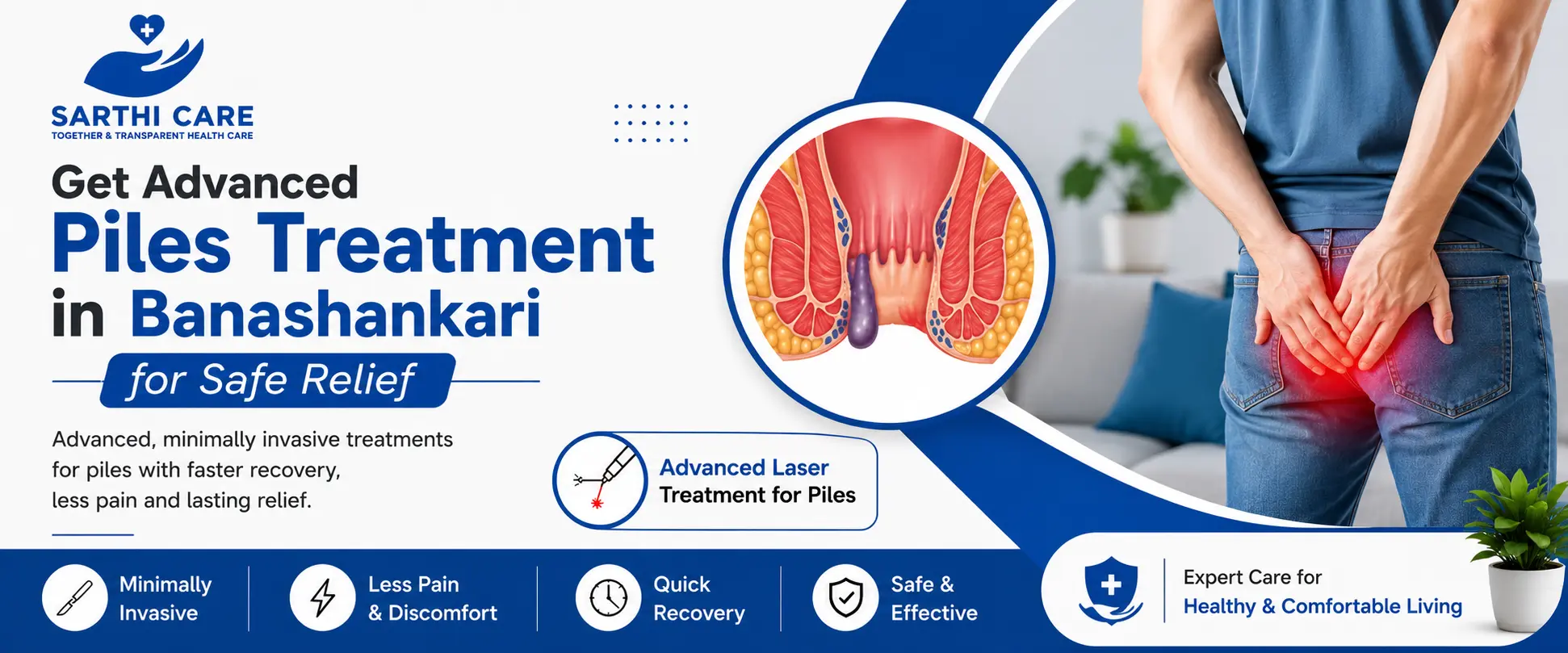
In treating people with discomfort, pain, bleeding and irritation that are caused by haemorrhoids, piles treatment in Banashankari has become a significant healthcare option. With the new medical advancements, piles treatment is much safer, quicker and of course more comfortable compared to the conventional. The demand on patients is to find reliable methods of relief with more special attention paid to precision, minimized suffering, and faster healing. Piles treatment in Banashankari is particularly effective when the working professionals, elderly, and patients require effective medical attention in a well-related place and face access to modern healthcare services. State-of-the-art treatment methods have ensured that management of haemorrhoids has been a much easier and safer and patient-friendly option than it was in the past.
Piles or haemorrhoids come about as a result of swollen inflamed veins in the rectal or anal areas. Sedentary lifestyles, unhealthy eating habits, dehydration, obesity, chronic constipation, excessive sitting and straining during bowel movements are some of the factors that contribute towards this condition. Piles may also be caused by pregnancy and ageing. Symptoms can start out mildly, but untimely piles treatment in Banashankari can cause the pain to intensify, cause more bleeding, and cause more disturbance to the comfort of daily life.
Piles can vary on their symptoms based on the severity and type of haemorrhoids. The typical symptoms are pain on bowel movements, rectal bleeding, anal itching, swelling, mucus, pain on sitting, and a feeling of not completely emptying the bowel. External piles may not only result in swelling and pain, but internal ones may be painless before bleeding or prolapse occurs. Timely treatment of piles in Banashankari would help in controlling the symptoms before complications are more checked and considered.
In Banashankari, current piles management entails the use of the latest diagnostic evaluation and specific piles treatment planning based on the severity of symptoms. Mild to moderate cases can be treated with medication, nutritional adjustments, Water and exercise. Less developed or repeated cases might need less invasive processes that yield faster and more efficient recovery. The choice of treatment is also subject to the proper diagnosis, overall health status, and the degree of haemorrhoids.
Advanced minimally invasive solutions are one of the factors contributing to the increased demand of patients on the use of piles treatment in Banashankari. This set of procedures are structured to produce minimal pain, minimal recovery time, ability to reduce blood loss and enhance comfort during the treatment process as opposed to the older surgical practices. The patients will tend to opt to have therapies that will heal quickly and cause minimal disruption to their jobs and other daily activities. This change has enabled the increased acceptability and accessibility of advanced haemorrhoid care.
Lifestyle and diet significantly contribute to the formation as well as repeat of piles. The low level of fibres may contribute to constipation that puts additional pressure on the bowel movements. The lack of hydration may lead to aggravation of digestive anomalies, whereas excessive sitting will add some pressure to the lower rectal veins. Lifestyle modifications like taking more water, balanced diets, frequent exercises and healthier bowel habits tend to favor successful piles treatment in Banashankari.
One of the greatest causes of procrastination of the treatment of piles among most people in Banashankari is the fear or shame of discussing anorectal health problems. Nevertheless, the neglect of symptoms may precondition the increase of discomfort and the occurrence of more complicated treatment requirements. No persistent blood loss, any severe swelling, prolapse, or painful bowel movements is a condition that should never be left untreated. Timely diagnosis can normally promote simpler healing and enhanced recovery rates.
The new healthcare is very keen on patient comfort and convenience. The piles treatment programme of Banashankari is intensified to offer confidential consultation and accurate localisation, as well as individualised treatment courses where priority is given to safety and healing. Most patients are reassured that the modern methods of treating haemorrhoids are far less traumatizing and much more comfortable than they are thought to be.
Proper diagnosis is also necessary since the symptoms of piles can be associated with any anorectal or gastrointestinal disease. Self-diagnosis should not be made or disregarded by rectal bleeding, pain, or discomfort in the butt. Mediated by professional medical analysis, a proper cause will be determined and a best healing program will be prescribed. The decision to use professional piles treatment Banashankari aids in deterring the chances of late/ improper care.
The quality of the treatment provided is not the only factor that can determine recovery outcomes, as compliance with treatment aftercare is important. Smoother healing is achieved by staying hydrated, eating as per the dietary guidelines, not overstraining, and implementing more acceptable regimes. Piles patients in Banashankari should consider these modifications so that they can decrease the chances of recurrence and expand digestive well-being in the long run.
Patients are growing more sensitive to clinical expertise coupled with convenience in initiatives to treat them. Modern haemorrhoid treatment is very practical due to its efficient care pathways, minimally invasive nature, and short recovery time. This has added to the increased treatment demands of piles in Banashankari among patients that want effective curing of their illness without prolonged disturbance in their normal lifespan.
Medical professionals who treat piles in Banashankari usually emphasise treatment at the individual level and that the severities of the symptoms and the health statuses of a patient have significant differences. Individualised treatment plan will aid in achieving the most suitable intervention as well as enhancing patient comfort and long term outcomes. Effective care continues to be expertly evaluated.